
Bridge the gap between concept and production. We deliver high-precision injection molded prototypes in as fast as 5 days using aluminum and steel tooling. ISO 9001 & 13485 Certified.
Plastic prototype molding services for teams that need to evaluate a design before production tooling is committed. We build aluminum and steel prototype tooling in-house, mold the parts, and review them with you — so the decision to move forward rests on parts you can hold, not on a CAD model.
Prototype injection molding is the same process as production molding, run on a tool built for a smaller quantity. That is the point: the parts behave like the parts you will eventually sell, so what you learn from them holds up when the design moves to production tooling.
Plastic prototyping is only as good as the tool behind it. We quote prototype plastic molding services as a complete scope — tooling, molding, and the inspection your program needs — rather than as three separate purchases you have to coordinate yourself. If a project is better served by a different route, we say so at quotation instead of quoting a tool that does not fit the stage.
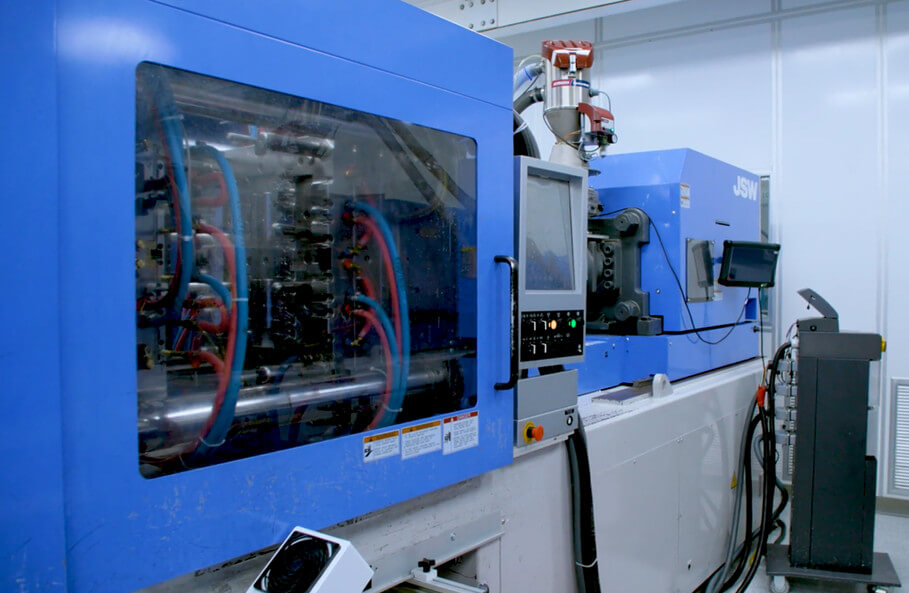
Most prototype problems are design problems that surface too late. Our engineers review your CAD before tooling is released, so issues that would otherwise cost a tooling revision are resolved on screen. We review wall sections, draft, radii, rib and boss geometry, gate location, cooling, and shut-offs against your material and the process. You get feedback tied to your part rather than a generic checklist, with a clear statement of which recommendations are required and which are optional.
Where a design change would make the mold simpler, we say so before the tool is cut. Our mold design for manufacturability review covers the cases that need more than a markup.
First-shot samples are the point of the exercise, not the finish line. We review T1 parts against your drawing and your stated functional intent, tell you where the part and the design disagree, and confirm what changes are needed before the tool is adjusted. If your program requires dimensional reports or first-article documentation, raise it at quotation so it can be scoped into the plan from the start.
Large parts are usually where prototype suppliers get thin. A prototype of a large plastic injection molded part needs a press that can carry the projected area and a tool that holds alignment across a bigger face — housing sections, trays, enclosures, and long-flow-length parts all run into it. We mold prototype parts up to 610 tons of clamping force, so a large part can be prototyped at something close to its production scale rather than split into sections and assembled for evaluation.
The tooling decision sets your cost, your timeline, and how closely the parts represent production. We build both aluminum and steel prototype tools — the two routes behind most prototype moulding services. Which one fits your project depends on the part geometry, the resin, the quantity you need, the tolerance the design calls for, how many design iterations you expect, and what happens after the prototype.
Aluminum tooling is worth considering when the design is likely to move. It machines faster and often costs less up front, which keeps a multi-round sampling sequence more affordable, and it suits form-and-fit checks, early assembly builds, and packaging or ergonomic evaluations. Whether aluminum suits your part depends on the resin, the geometry, and the number of rounds you expect — not on a general rule that aluminum is always the prototype option.
Steel tooling is worth considering when the project needs greater tool durability, more sampling rounds, or a build that has to carry into production. Steel does not by itself make a part suitable for a given regulatory test — that depends on the material, the design, the process window, and what the test method requires. Dimensional consistency across a build depends on the whole process rather than on tool material alone: tool condition, resin behavior, machine settings, and process control all bear on it.

We review cavitation, gate and ejector placement, parting line, draft, and the tolerance band your application actually needs with your team before the tool is released. Where the geometry needs work first, that review happens before cutting. If your volume estimate changes after the first round, we revisit the tooling recommendation with you rather than carrying a decision forward that no longer fits. Tooling detail is on our mold tooling services page.
Prototypes for regulated products carry a heavier burden than a form-and-fit sample. They may need to support design verification, functional testing, or a regulatory submission, which means the parts, the process, and the records all have to hold up.
Our quality management system is certified to ISO 9001 and ISO 13485. Certification describes the system we operate under. It does not mean every part we mold is validated to a given standard, and it does not mean every project runs in a controlled environment. Ask us for the current certificates and their scope if your program needs them on file.
The facility includes ISO Class 8 cleanroom, white room, and controlled-environment production areas. Which of them your prototype runs in depends on the application and the program — it is not automatic, and it is not the same scope for every part. Where a program calls for IQ/OQ/PQ, we support the validation work as part of the project rather than treating it as a separate engagement.
Our prototype work is concentrated in healthcare: components for medical device injection molding, diagnostics and IVD, laboratory and IVD kit applications, and pharmaceutical delivery systems. In these programs a prototype that does not represent the final part is worse than no prototype, so material traceability, cleanroom molding where required, and documentation that can support a design history file are part of the conversation early.

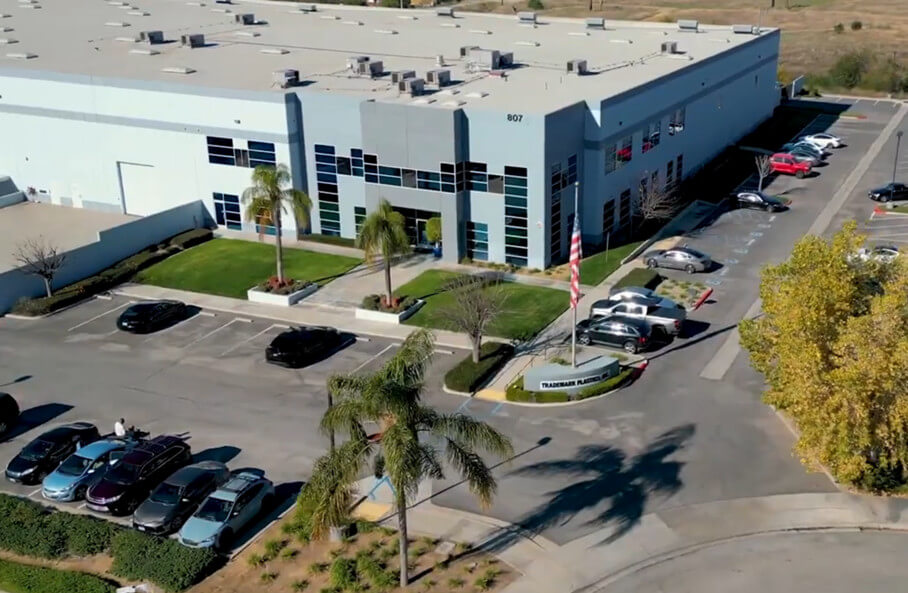
Most prototype suppliers stop at the sample. The parts leave, the tool leaves, and the team that validated the design has no further role in the launch. When plastic molding and prototype services come from separate suppliers, that handoff is where schedule and process knowledge are lost.
Here they are the same purchase. The press that runs your prototype is on the same floor as the presses that will run production, the process window is established by the people who will maintain it, and the inspection criteria are written once rather than renegotiated at transfer.
A prototype program is finished when the design is settled — but the project is not. The transition is where tolerances get re-examined, cycle time gets optimized, and a tool built for a few thousand shots has to be replaced by one built for millions. Because both sides of that transition happen here, the production tool is specified with the prototype results in hand instead of from a drawing and a hope.
If your program needs a production-intent tool at the prototype stage, say so early — it changes which tool we recommend and avoids paying for two tools where one would have done. Our plastic injection molding page covers the production side, and value-added services covers what happens after molding.
We do not publish a price list, because two parts of the same size can differ by an order of magnitude in tooling cost. What we can do is tell you which variables move your number, so your quote request is complete the first time.
Aluminum or steel, cavitation, part size, tolerance, surface finish, and how many sampling rounds you expect. This is usually the largest single line item.
Commodity resins versus engineering grades, plus color, additive, and documentation requirements. On specialty grades, material lead time can exceed tooling lead time.
Deep ribs, thin walls, flatness, and cosmetic requirements drive both tooling cost and cycle time. A tolerance tighter than the application needs is the most common source of avoidable cost.
Prototype quantities are expensive per part because tooling and setup are spread over a small run. Dimensional reports, material certifications, IQ/OQ/PQ, and cleanroom molding all change the scope. Tell us which your program requires and the quote will state whether each is included and what it adds.
On lead time: schedules are set by part geometry, tooling complexity, material availability, and validation requirements. We give you a specific date with the quote rather than a general promise, because a date you can plan against is worth more than a headline.
Send your expected annual volume along with the prototype quantity — it changes the tooling recommendation, and it is the difference between a quote that fits this stage and one you have to redo.
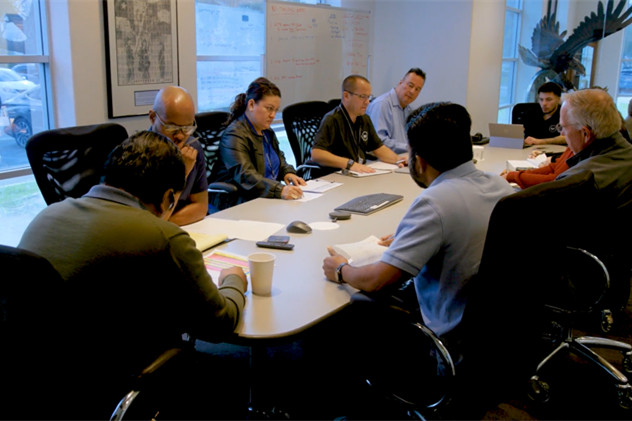
When buyers compare plastic prototype suppliers, the quotes often look similar and the difference shows up later — in how many rounds it takes to get a usable part, and whether the sample actually predicts production. Four things separate a prototype supplier from a prototype manufacturer.
Prototype runs are typically small — enough parts for design verification, functional testing, assembly builds, and any submission samples, plus spares. The practical floor is set by tooling and setup economics rather than by a published rule. Tell us the quantity you need and your expected annual volume, and we will price the project against both.
It depends on the tooling you need, the material, and whether validation is in scope. We confirm a specific date with the quote. If your schedule is fixed, say so when you send the CAD — that is one of the inputs we use to recommend a tooling approach.
Aluminum usually fits when the design is likely to move and you need several rounds at lower tooling cost. Steel when the tool has to stay stable across a longer run, a more demanding resin, or a build that runs through several sampling rounds. Send the CAD and your expected volume and we will recommend one with the reasoning attached.
It is driven by tool material, cavitation, part size, tolerance, surface finish, and how many sampling rounds the design is likely to need. Two parts of similar size can land far apart. Send the CAD and the quantity and we will return a tooling number with the assumptions stated, so you can see which variable is carrying the cost.
A 3D CAD file in STEP, STP, STL, IGES, PRT, SLDPRT, SAT, or X_T; the material or performance requirements; critical dimensions and tolerances; the quantity you need and your expected annual volume; the application and use environment; and any validation or documentation your program requires. A 2D drawing helps but is not required to start. For a detailed walkthrough, see our guide to how prototype molding works.
That is the intent whenever the program allows it, because a prototype in a substitute resin does not tell you much about shrinkage, warp, or how the part handles. Tell us the production resin when you send the CAD, along with any performance requirement the material has to meet, and we will confirm what is feasible for a prototype run.
The facility includes ISO Class 8 cleanroom production areas, and validation support is scoped per project. Not every prototype needs a cleanroom or a full IQ/OQ/PQ, and the right scope depends on your application and your regulatory pathway. Raise the requirement when you send the CAD and we will tell you what it involves.
Tooling ownership and transfer terms are set in the project agreement. Raise the question at quotation so the terms are on the table before the tool is cut rather than after.
A prototype is only useful if the next step works. Because prototyping, tooling, and custom plastic injection molding run under the same roof, the process window, material decisions, and inspection criteria are already established when the program moves forward — which removes a step that otherwise falls on a new supplier.
| Class 8 Cleanroom A | Class 8 Cleanroom B | White Room A | White Room B | Controlled Room | TPI Total | |
|---|---|---|---|---|---|---|
| Below 60 Ton | 1 | 1 | 2 | 4 | ||
| 60-90 ton | 4 | 1 | 5 | |||
| 110-120 ton | 6 | • | 6 | |||
| 150 – 180 ton | 1 | 1 | 4 | 1 | 7 | |
| 200 ton | 2 | 10 | 5 | 17 | ||
| 250 ton | 1 | 3 | 4 | |||
| 300 ton | 5 | 5 | ||||
| 390-400 ton | 1 | 1 | ||||
| 450-610 ton | 2 | 2 | ||||
| Total | 14 | 13 | 19 | 3 | 2 | 51 |

We streamline your order process—from online quotes to high-quality mold making and production-ready plastic parts. Our expert team and state-of-the-art machinery guarantee efficiency and timely delivery.

We start with understanding your product requirements, materials, and end-use applications to define the best manufacturing approach.

Our engineering team works closely with you to optimize part design for manufacturability, efficiency, and cost-effectiveness.

Rapid prototyping ensures design validation and functional testing before tool investment.

We build high-precision, long-life injection molds tailored to your product specifications and production volume.

Dimensional evaluation, functional review, and IQ/OQ/PQ support where the program requires it.

Once validated, production begins in our ISO 13485 certified facility with scalable capacity and strict quality control.

A Vertically Integrated Contract Manufacturer Providing Engineering Solutions to the Healthcare Industry

Precision Mold Design for Manufacturability and Efficiency

High-Precision Mold Design, Manufacturing, Lifecycle Support

Integrated Solutions Beyond Injection Molding
